
Against classification

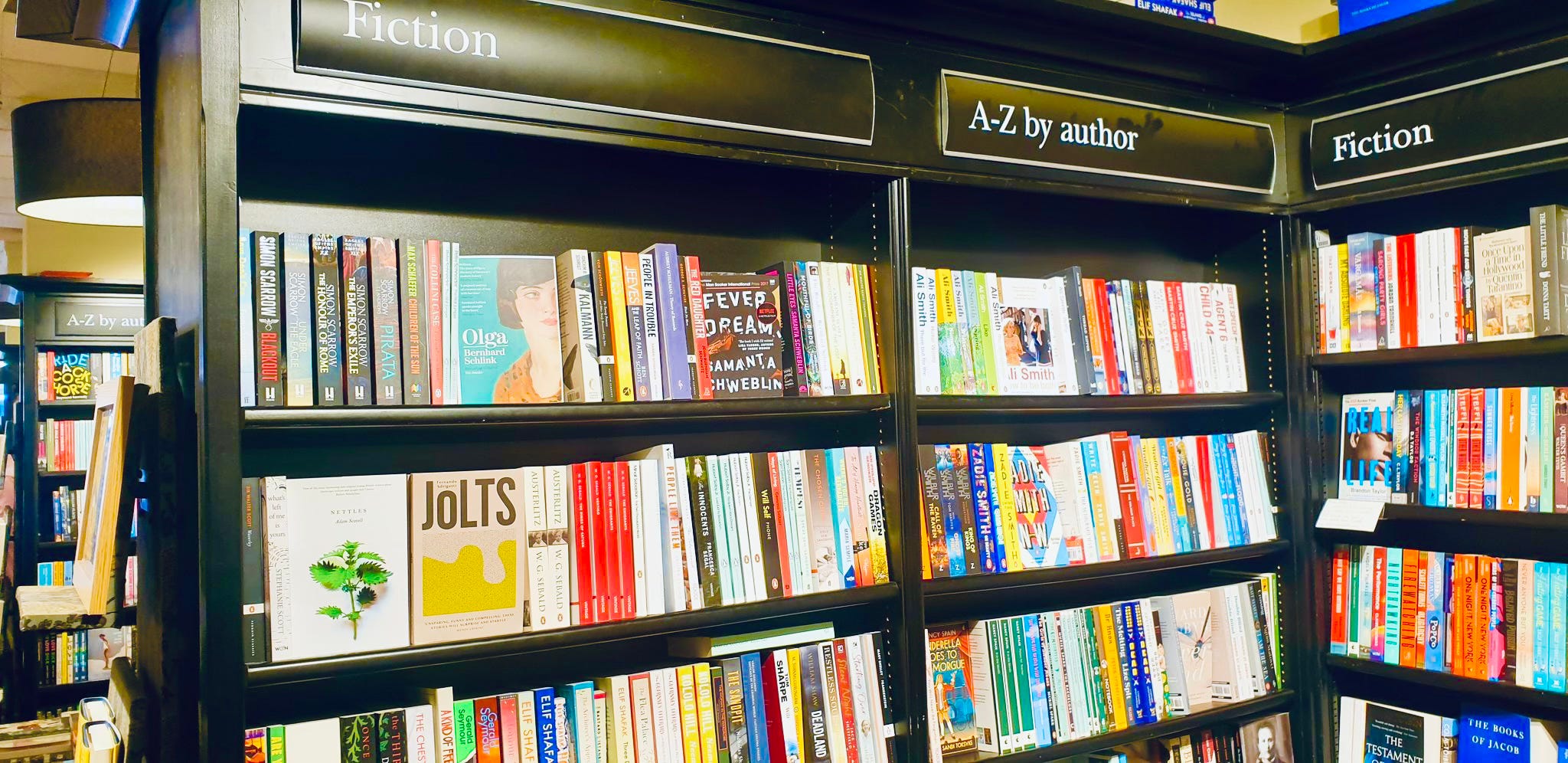
Earlier this week, unable to write, I did some admin work on this site. Little tasks no one but me cares about, like rewriting the intro page or moving this or that essay to this or that section. It crossed my mind to create a “Fiction” page and re-home some of the posts there — mainly so I could pin Open Mic, the novella I recently released for free, making it more visible — but it quickly became clear that this was a bad idea. Not because I might be allergic to self-promotion, but because this label would have flattened many of the other pieces that live here. Perhaps I should have settled for “narrative” instead…
What I have in mind is the Spanish-speaking literary scene, where many publishers use “narrativa” to mean “fiction,” and within it to cover novels, short stories, novellas, etc. — I like that lack of differentiation. I’m not entirely convinced “narrative” carries the same weight in English, or that it translates particularly well. And yet, it reflects my writing much better than the blunt split between fiction and nonfiction.
Last year I published a short piece called The Goat — a pastiche of esoteric clichés and a parody of writers of occult London. Later in the summer I returned to some of these themes and characters, in a psychogeographical pseudo-essay on Nicholas Hawksmoor’s churches. I’m quite fond of these two texts, and I think the reason why they work well — for me, at least — is that they operate in the interstices between fiction and nonfiction. There are many things that contribute to this effect. In The Goat, it’s all about the use of the first person in narration, the number of realistic details, all the background info about Blake (introduced quite poker-faced, even when ridiculous and outlandish), and a certain topographic coherence — anyone who knows that area of London will be able to recognise the locations, testify that there is a pub with that name, and that there is a statue of a goat in the place I’m claiming it is, and so on. In the case of the Hawksmoor pantomime, it’s all about the essayistic register and the use of photos in order to deliver a believable narrative that only at the very end is fictionalised. Many of the “This is not a diary” pieces in this newsletter work in the same way. Take this one, for example: the background story is 100% fact — a drunken Scouse did gift me a very nice and expensive coat at The Blue Posts in Soho last year — but the events didn’t quite take place in the manner I wrote about them, nor did this fine man speak like a Victorian gentleman. When I write these stories, I’m deliberately working in the overlap between reality and invention. The same kind of blurring runs through my books, achieved along similar lines. If you are curious, just read them and spare me having to explain myself too much.
Where am I going with this? First of all, I’m not claiming to be special or necessarily out there — many writers work like this. What I’m doing is asking whether this well-established taxonomy is actually useful to the reader. Do we really need a set of instructions for how to approach a text?
Because that’s what the label “fiction” does. It tells you what attention to deploy; it preprocesses the text before you’ve even had a chance to fix your eyes on it. And in so doing it removes the pleasure of uncertainty.1 There are — of course — entire subindustries that exploit the opposite impulse. If you have been reading this newsletter for a while, you will be aware how little love I have for memoirs. If you haven’t and don’t wish to read the linked piece above, it all boils down to self-commodification, navel-gazing, and the exhibitionist/voyeuristic contract writers and readers sign when a book claims to tell the Truth, or a personal version of it.2
True and false are slippery categories, especially in writing. Memory is selective, sometimes fraudulently so. Fiction, no matter how fantastical, is always based on the ontological compromise we call the real, and written in a real language, unless the writer intentionally wishes to disrupt understanding.3 This instability alone makes the prescriptive use of these labels misleading.4 Sure, book marketers and booksellers need to classify books so that they can sell them, but that’s their problem. Readers, on the other hand, could do with more freedom when it comes to approaching a text. Or at least, I think you should. Especially if you ever find yourself reading my “narrative”.
So, here’s my modest invitation: engage with whatever you have before you without asking what it is, at least not immediately. Don’t worry too much about telling fact from fiction. Read first, decide later, if you really must.
Or better yet, don’t.
P.S. Get Open Mic below. It’s one hundred percent based on fact.

Imagine how boring W. G. Sebald’s Die Ringe des Saturn: Eine englische Wallfahrt would be if we could clearly distinguish its facts from its fictions!
A contract that periodically collapses into scandal, by the way.
See Luigi Serafini’s Codex Seraphinianus, for example.
I’m not playing more pomo than thou. Truth can be produced. Collectively.